Gap Year Sailing Holidays in Scotland

Come home with skills you can actually name — leadership, teamwork, problem-solving, navigation — earned hauling sails by hand on a hundred-year-old trawler, not just another travel photo.
Provident is a 1924 Brixham trawler with no mechanical or electric winches on board, which means every sail is hauled by hand, by the guests, taught by the crew as you go. It's a genuinely hands-on week — real knots, real teamwork, real weather decisions — spent among Scotland's lochs, islands and village
A Week That Actually Teaches You to Sail
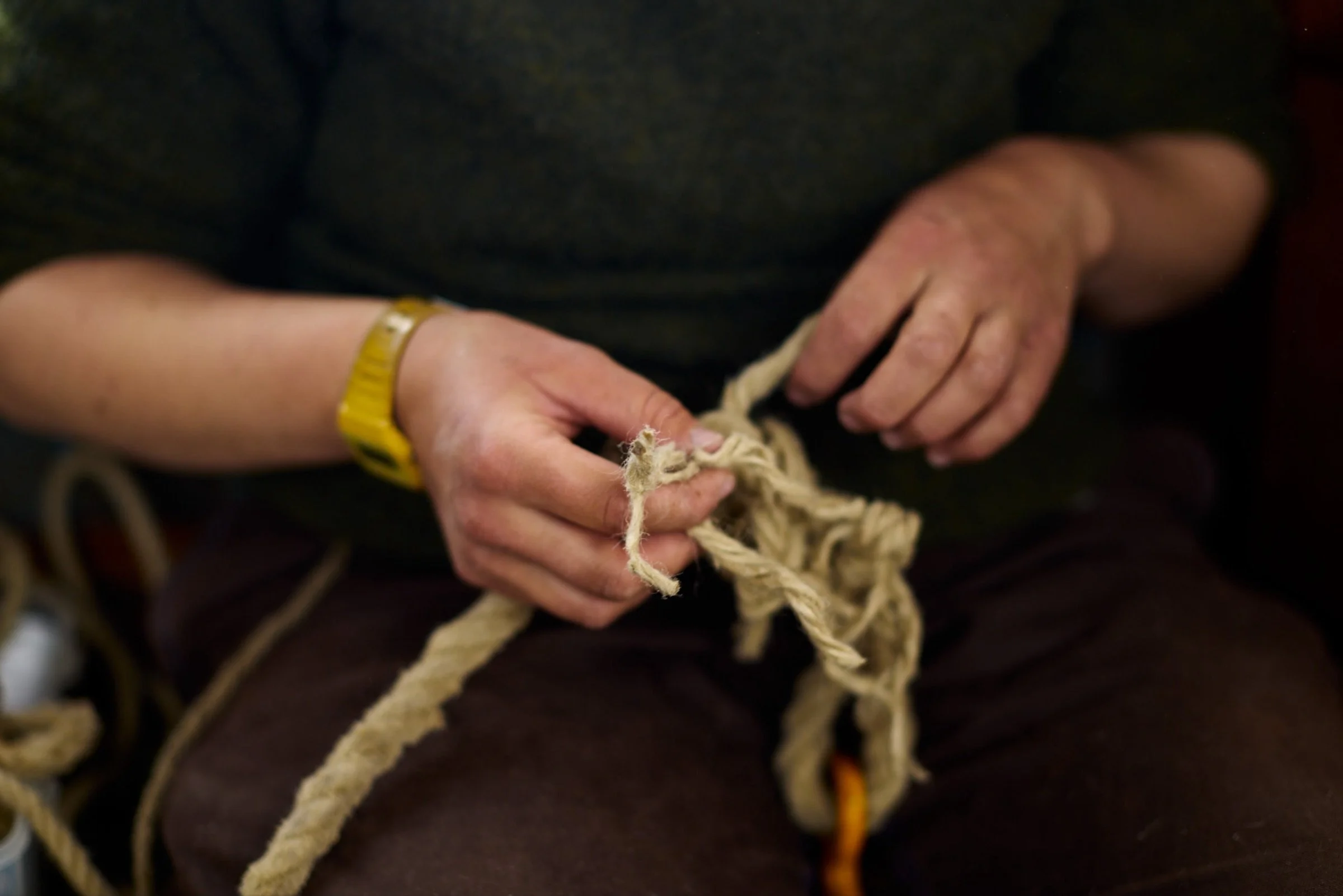
Sails go up and down using traditional techniques — most often "sweating and tailing," where one person pulls and another takes up the slack — and Provident can carry up to nine sails depending on conditions. It looks like a lot of rigging the first time you're on deck. By the end of the week, it makes sense.
Crew teach you properly, not just supervise — you'll actually understand what each line does and why.
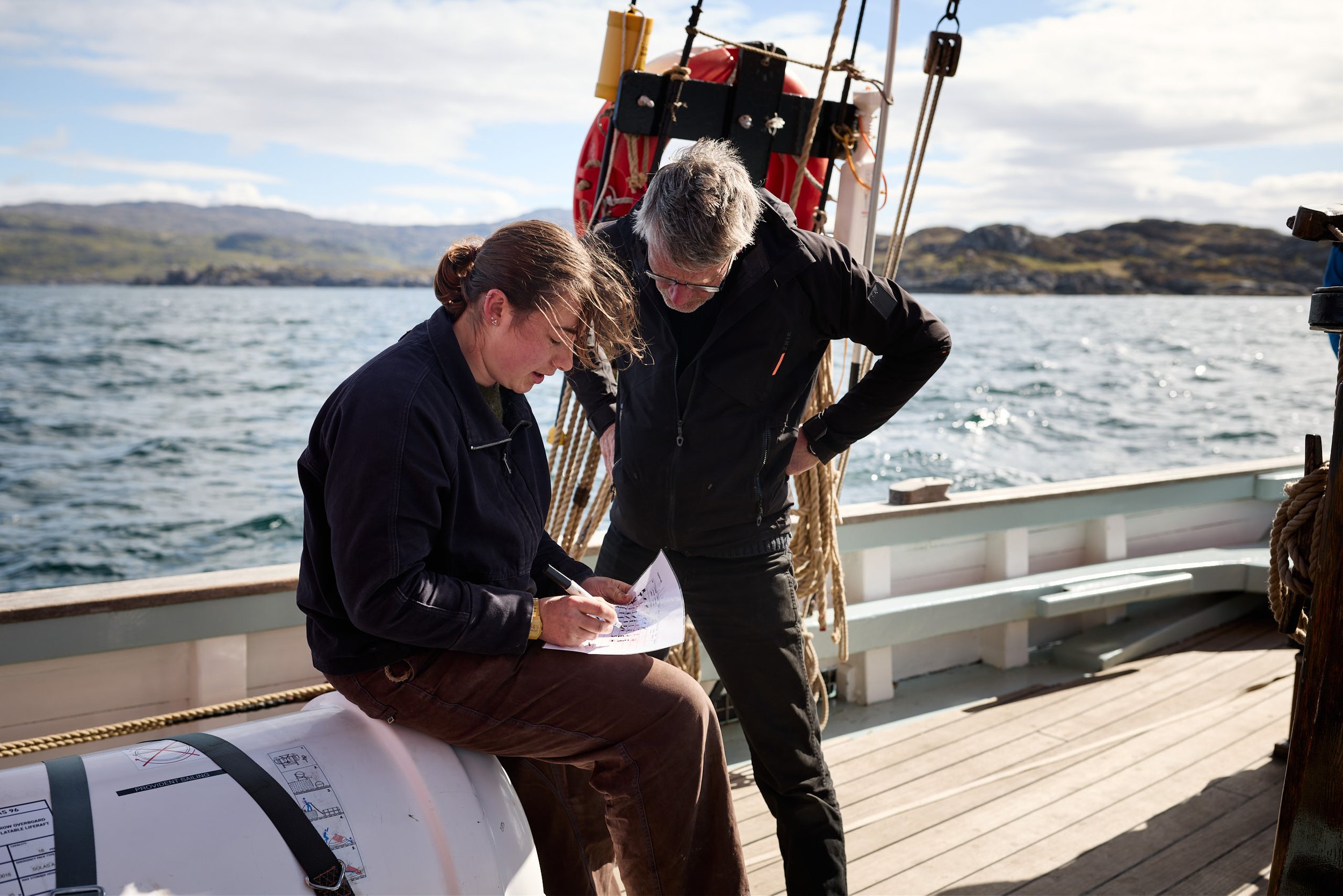
Navigation is taught the traditional way too, with paper charts, if you want to learn to plot a course by hand.
Real, transferable skills: teamwork under a bit of pressure, clear communication when it actually matters, and the kind of problem-solving universities and employers notice on a personal statement or CV — not because it's dressed up as one, but because it's genuinely what happened.
SIX SKILLS YOU’LL BE ABLE TO ACTUALLY NAME
A lot of gap year travel adds up to photos of places you passed through. A week on Provident adds up to something you did — and the skills below are things universities and employers genuinely look for on a personal statement or CV, not because they're dressed up as one, but because they're what actually happens on board.
LEADERSHIP
Leadership & Responsibility
A crew of 8-10 relies on you within days of stepping aboard — taking charge of a line, the helm, or a task, not just following instructions.
COMMUNICATION
Clear Communication
Calling and following instructions accurately, fast, when a sail actually needs to come down — not classroom theory, but muscle memory by the end of the week.


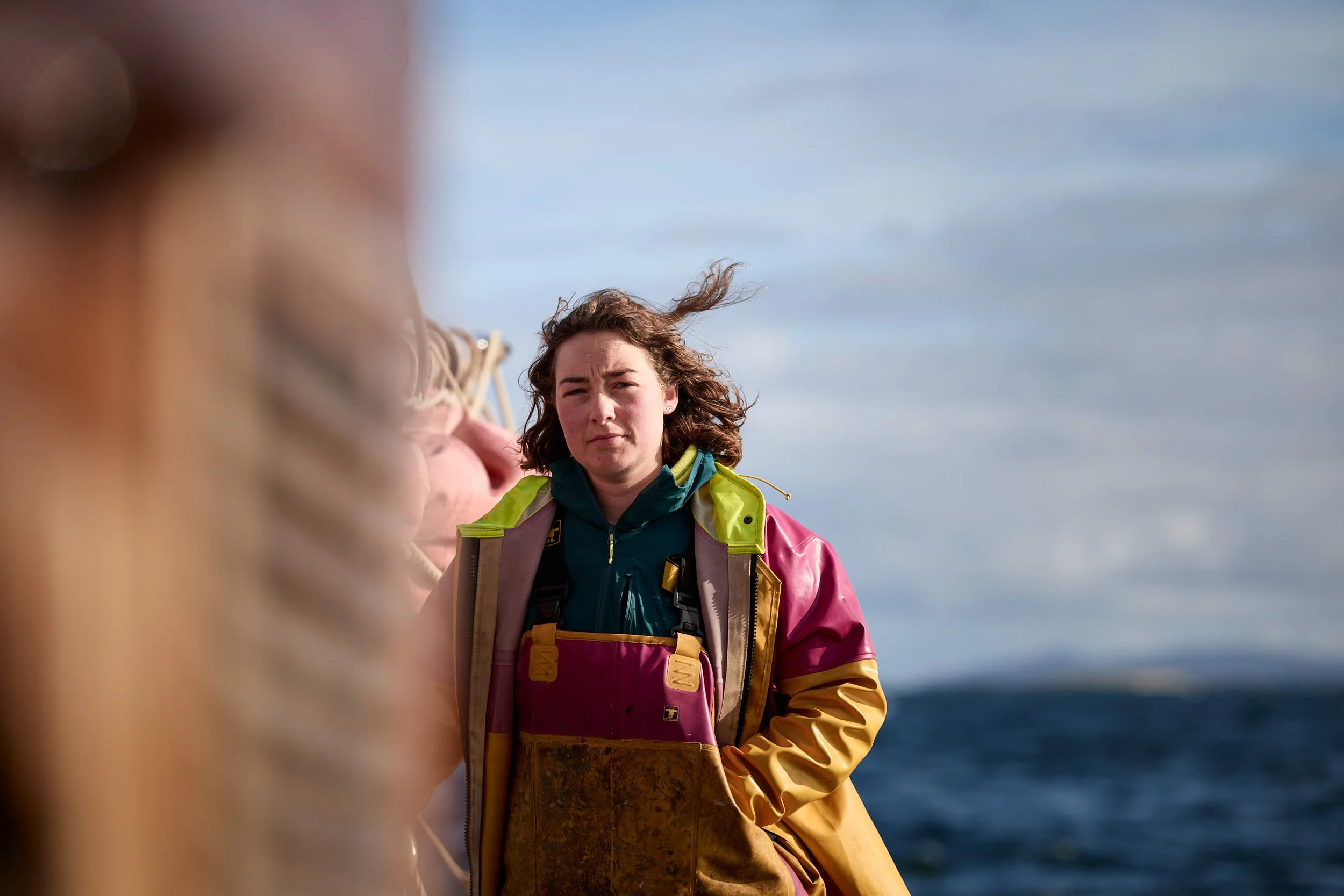
TEAMWORK
Teamwork Under Real Pressure
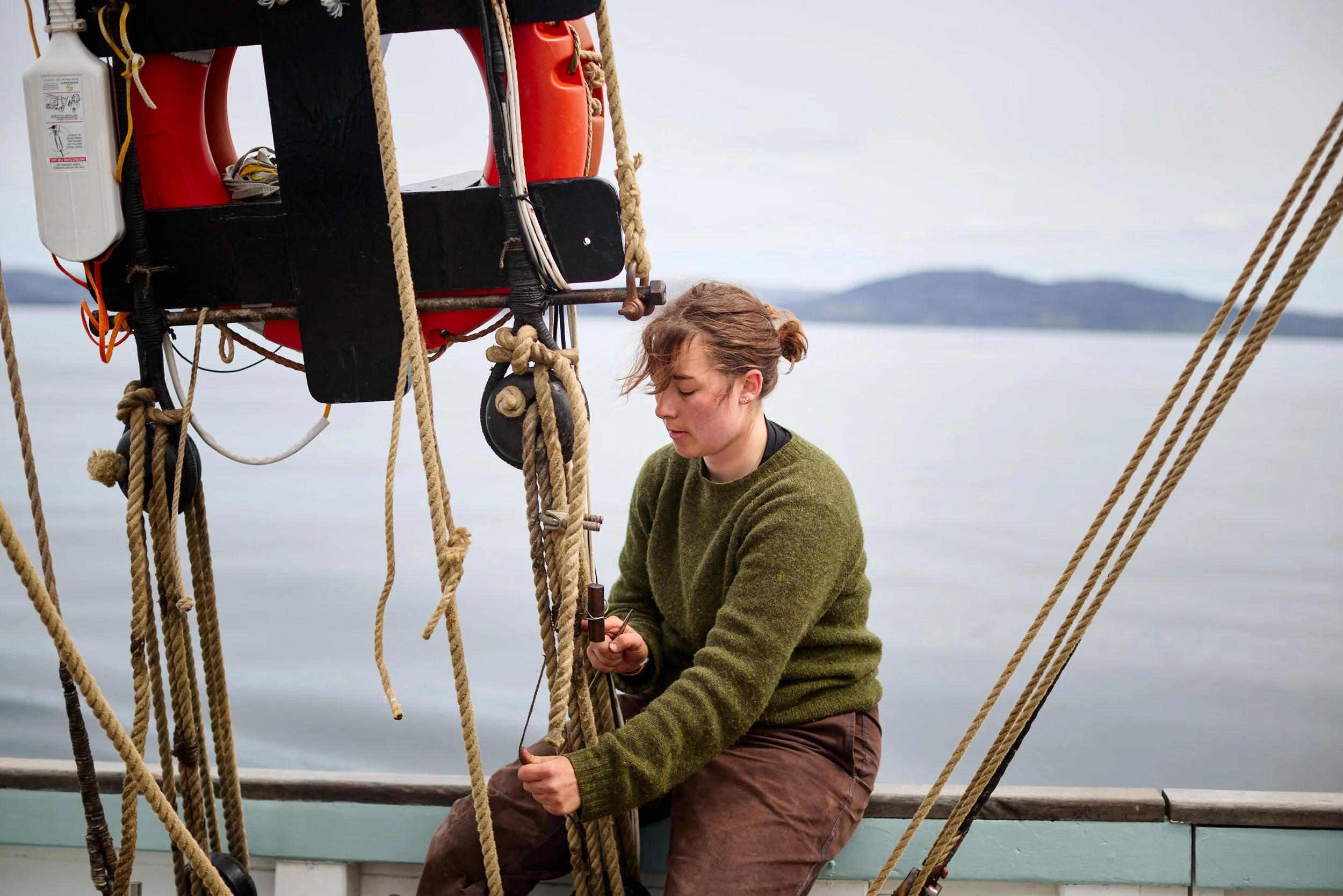
With no winches, every sail is hauled by hand — often "sweating and tailing," where one person pulls and another takes up the slack. It only works if you work together.
RESILIENCE
Resilience & Adaptability
No two voyages follow quite the same route, since the plan bends around wind and weather rather than a fixed script — you learn to adjust, not just follow along.
NAVIGATION
Navigation & Planning
Taught the traditional way, with paper charts — plotting a course by hand rather than following a screen.

RECOMMENDATION: WHY NOT TRY OUR
LEARN THE ROPES COURSE?
The focus of this trip will be to learn the ways of sailing a 100 year old sailing trawler. All our trips offer the chance to get involved with hoisting sails, taking the helm and being a part of the crew. But on this trip learning will be the main focus. This should be great fun. We'll give ourselves the time to get things wrong, have a laugh, a cup of tea then give it another go. It'll be great for anyone who's curious to know how a really analogue bit of tech works. No prior knowledge needed. Just an inquisitive mind and a willingness to give it a go.